
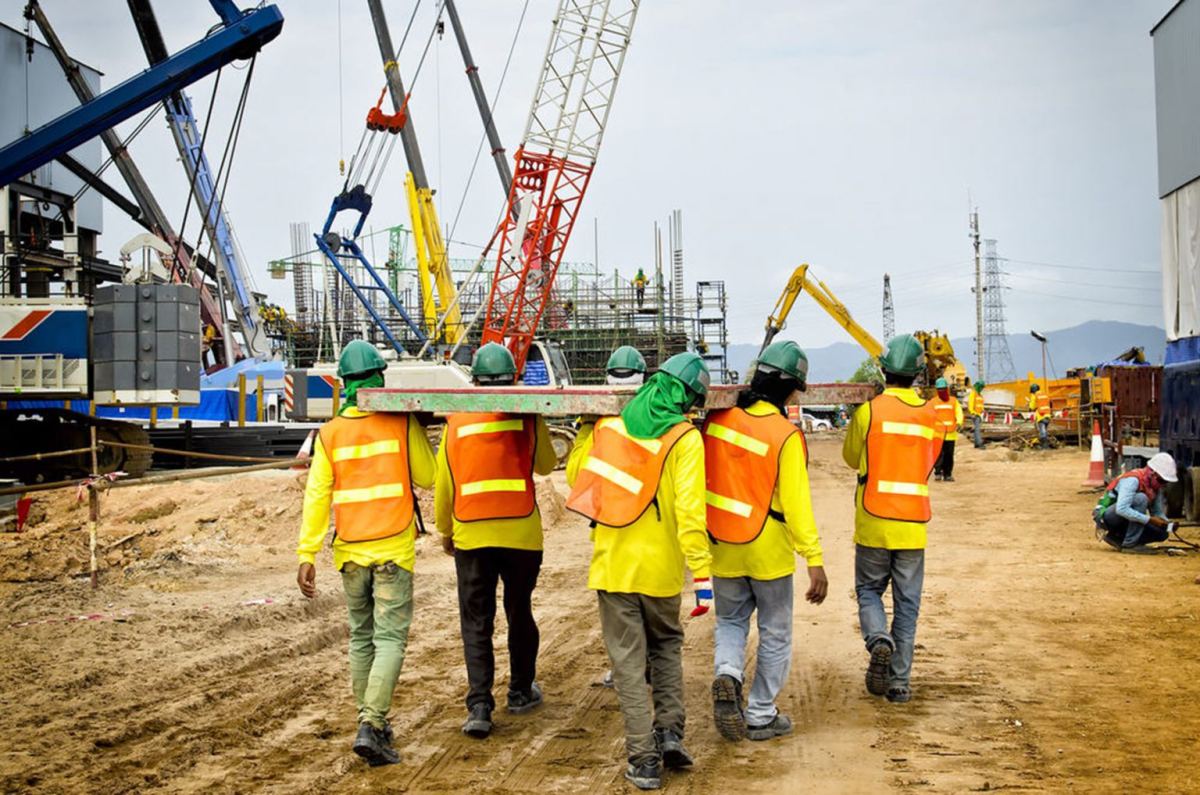
Best international practices regarding site safety
Following best practices
Construction safety training
Construction safety, waste disposal, and the environment
Worker protection and forms of organization
New solutions for site maintenance and systematic safety checks
Invest in safety, reduce costs, and save lives.
International best practices for site safety
in the construction industry around the world: It is important to follow best practices related to construction safety, as these are the first steps to protect workers and the general public from heavy and dangerous equipment, contaminated materials, and accidents.
International best practices in construction safety set globally applicable standards for keeping site operations safe and free from:
Risks,
prevention of serious accidents,
implementation of protocols in case of accidents
International best practices for construction safety cover a variety of general and specific areas to ensure the complete protection of the site and its personnel. These protocols lay the foundation for occupational health and safety specific to a given project, site procedures, equipment, materials, and unique layout.
Following best practices
There is an advantage in following the steps of regions with more advanced practices and safety maintenance success rates because the construction industry worldwide often faces similar challenges.
It is also important to have standardized building safety practices for several reasons, including the way natural resources are shared.
Read on to learn more about the key areas of building safety, why it's an important investment, and some innovative solutions.
Training related to building safety
A company specializing in construction safety will also cover areas such as falling object protection, emergency procedures, fire safety, and much more. Working on a construction site often means performing tasks from significant heights, and specialized safety training is necessary to protect yourself from dangerous and life-threatening falls.
Following safety protocols ensures protection on the following three fronts:
One of your
first lines of defense against accidents that endanger human life is employing trained construction safety experts. These experts lay the foundation for on-the-job safety training and ensure that those on site follow construction safety protocols.
Your consultants
often advise construction company owners to hire a construction safety agency to provide their employees with proper safety training. Construction is a specialized business, and different procedures may be applied to a single site simultaneously. A construction safety agency can meet the specific and varied needs of different projects.
Your
construction site is a busy place. For example, construction work can take place alongside cranes, hoists, and the placement of heavy materials. Construction safety training and adherence to protocols ensure that workers know how to focus on their specific tasks while being mindful of the work happening around them.
Emergency protocols
are essential. Accidents sometimes occur, and to minimize their impact and save lives in adverse situations, emergency protocols must be in place so that workers know how to react appropriately and return to safety. Outsourcing safety training to a construction safety specialist allows your business and employees to benefit from targeted and focused construction safety training.
Construction safety and waste disposal
Climate change is real and serious, and the world is beginning to see a noticeably louder international response. It's no longer just about environmental and wildlife conservationists; there's a greater awareness of the daily changes in life, from increased smog to extreme weather patterns.
Some studies indicate that construction contributes to 50% of climate change and 50% of landfill waste. It is important to recognize that construction also plays a role in negatively impacting the environment, and that industry is not solely responsible for the uncontrolled use of natural resources and the release of hazardous emissions into the atmosphere.
Sustainable practices,
such as incorporating environmentally friendly building design and green construction sites into the building safety responsibility, are a key and necessary way to reduce the environmental impact of this important industry. Construction companies can choose recycled materials or those sourced from natural resources, as these produce a smaller carbon footprint during processing.
The durability of building materials:
They can also consult with design teams specializing in materials that allow for greater durability of the building structure, as this reduces maintenance repair needs, allowing for energy conservation and reduced waste production.
Making better use of available resources,
as well as improving natural lighting and renewable energy sources, such as solar panels, can go a long way in reducing the environmental impact of buildings – as well as reducing costs – once they are ready for operation and use.
Waste disposal
requires that the safety of materials, which also relates to their production, processing, storage and disposal, be considered a key aspect of building safety, followed by the implementation of international best practices to reduce environmental impact.
A broader vision of construction safety will allow companies not only to protect the occupational health of workers but also the world's shared environment. While significant steps must be taken within the industry to ensure construction safety, increased attention to best safety practices can make a necessary and positive contribution to reducing environmental impact and protecting human life.
Worker protection and forms of organization
In addition to specialized safety training, construction workers must be provided with appropriate clothing to ensure their physical safety, such as hard hats, metal-toe shoes, and grippy gloves. Construction company owners and managers are responsible for providing employees with access to safety clothing and ensuring they adhere to international best safety practices.
The impact of these accidents
highlights the fundamental elements of construction site safety, and there is much that companies can do to meet international best practices for worker protection. Some statistics indicate that workplace injuries in the construction industry result in the loss of 31 working days annually. This represents a significant loss for both employees in terms of work experience quality and job security, and for companies, which must bear avoidable medical expenses and project timelines.
Protecting workers
refers to occupational health and safety in construction and includes:
Reasonable working hours,
regular breaks
, sufficient rest periods
, scheduled breaks
, weekly day off
Construction safety practices
are essential because working on a construction site is both technically and practically intensive. Ensuring the following steps are followed goes a long way in implementing construction safety practices.
Adherence to labor laws
is crucial because excessive fatigue among employees leads to errors, inefficiency, and potentially serious accidents. Specific working hours help hold the company and its employees accountable for construction safety standards. Countries typically have federal, state, and municipal laws regulating safety procedures and site approvals, so a company's best construction safety practices can be aligned with labor laws to ensure worker protection.
Adherence to and implementation of safety regulations
in cases where countries leave safety regulations and implementation practices to the private sector presents an opportunity for construction companies to set international standards for best practices.
As a construction company, compliance
is important to realize that these compliance procedures not only ensure the safety of workers, but also protect the business.
Implementing best practices:
The construction industry is known for having the highest risk rates in industrial business, and with the rise of construction projects in Saudi Arabia, implementing best practices in construction safety can help the Kingdom achieve its broader socio-economic development goals and enhance its global reputation in the industry.
Adherence to international regulations
with construction company contracts that meet widely used international regulations is a major step forward towards institutionalizing a culture of safety in construction in Saudi Arabia.
Health insurance plans
also recommended that construction companies provide their workers with a good health insurance plan and encourage them to use it. Including physiotherapy for construction workers in their health insurance plans, for example, is a valuable addition because this treatment helps prevent and repair musculoskeletal injuries and pain resulting from work-related activities.
Support from management
is essential when working as a construction worker. The job also involves the pressure to meet project deadlines, working with heavy materials, and sometimes exposure to hazardous substances, all while maintaining one's own safety and the safety of others. This is a significant amount of multitasking, and construction workers need management support to feel supported by the company and its staff.
This leads to better mental health among employees, reduced anxiety, and increased morale, allowing for greater focus and alertness at work. As a company owner, providing employees with a good healthcare package not only increases and improves productivity but also enhances the company's reputation as one that promotes quality work experiences through the implementation of best construction safety practices.
New solutions for site maintenance and systematic safety checks
Innovative technology
: The increasing use of digital applications in all business sectors also has enormous potential to improve international construction safety best practices in various areas of site management and operations.
Digitalization of processes
can help streamline key safety operations and functions to ensure the health and safety of construction workers. For example, digital technology can be used in on-site construction safety inspections as well as to increase productivity.
Using drones
and inputting data into a building safety inspection application can generate accurate reports for submission to compliance regulatory bodies. This data can be collected using drone technology, reducing the potential for human error.
Mobile reporting
is another form of digital construction safety that reduces error or emergency notification time, increases response times, prevents accidents, and enhances overall safety on the construction site. Mobile reporting allows for the real-time collection and recording of data and information, and the ability to communicate critical construction safety messages more easily and quickly.
Motion sensors:
Motion sensor applications with proximity warnings can alert workers to the possibility of objects falling, and geographic applications can help in conducting feasibility studies that also take into account the safety of construction workers.
Training and workshops
are essential, but then there's the human aspect: the challenge of training staff on new systems and procedures and integrating them into daily operations. However, it's crucial to address these challenges, as the use of artificial intelligence can provide better oversight of all systems from a single location, enabling faster response times to meet building safety objectives.
Together, digital technologies focused on construction safety have the potential to improve overall site planning and real-time risk management, enabling construction companies to better implement safety practices and cultivate a safety culture among employees and management. One of the challenges with digitalization is phasing out legacy equipment and processes and upgrading to data-driven technologies.
Invest in safety costs, reduce costs, and save lives.
Appropriate health and safety compliance regulations contribute to smoother and more efficient construction operations. Without them, unexpected costs can arise due to emergency expenses for repairing site machinery, covering legal fees for worker injuries, or fines for non-compliance with regulations.
Complete safety at the construction site includes the following areas:
Workers,
equipment,
machinery,
storage facilities
, site
staff training
Protecting human and physical assets:
Investing in the above will help ensure that serious accidents are prevented before they occur. Integrating best health and safety practices into daily operations across the construction sector is essential for protecting company assets and employees and is an integral part of financial management.
Cost-benefit analysis
can help construction companies understand the long-term value of construction safety for their business and recognize that it's not an unnecessary expense. Best practices in on-site construction safety and a clean track record also consistently result in lower insurance rates.
Running a safe construction company means a significant improvement in profit margins and an enhanced company reputation in the industry.
For more information on best practices for site and construction safety, contact our company, a leading scaffolding manufacturer in Saudi Arabia. We provide safe and robust structural systems for construction, renovation, and maintenance projects.